
Night train 2026: Here's what changes in the new timetable

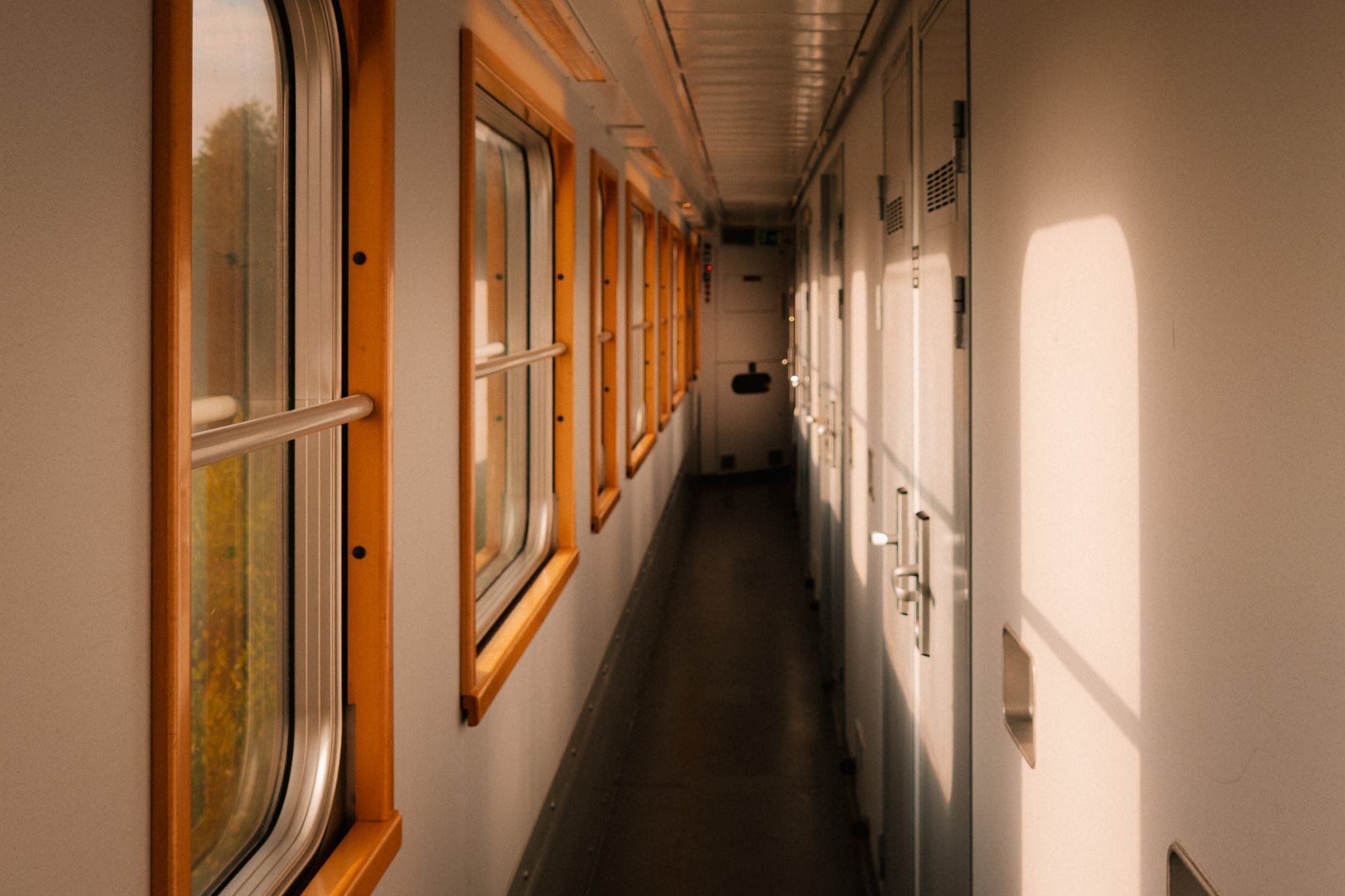
The second Sunday in December is a special date for Europe’s railways: timetable change day! Traditionally, it’s the moment when we welcome new train services – and, unfortunately, sometimes have to bid farewell to others. This year, on 14 December, the new 2026 annual timetable comes into effect.
For night train enthusiasts, there has been plenty to celebrate in recent years: new routes have been added, and modern trains have taken to the rails. Now, however, the mood has darkened. After years of boom, services are once again being cut. The most prominent example: the Nightjets to Paris, which are no longer economically viable following the premature end of French government subsidies. Sweden, too, is withdrawing from its financial support. In the meantime we also learned that the new Swiss train to Copenhagen and Malmö will not run – the Swiss parliament cut the subsidies last minute.
By the way: try out our night train search engine now:
Is this the end of the great night train dream – or merely a growing pain? There is still hope: private operator European Sleeper wants to open a couple of new lines. Poland and the Czech Republic are also continuing to expand their night train network, and established services such as the Caledonian Sleeper in Scotland remain as popular as ever.
In this article, we take a closer look at these and many other changes and updates in the 2026 timetable.
Note: Details may still change before the timetable switch on 14 December 2025, and further updates may be announced. We’ll keep this article regularly updated for you.
A bitter end for the Nightjets to Paris – but a rescue might be possible
It's probably the biggest setback for night trains in years: at the end of September, the first reports trickled through that ÖBB would be discontinuing its Nightjet lines from Berlin–Paris and Vienna–Paris after just two and four years, respectively. The official confirmation followed shortly after.
The background: the French government, which had subsidised the trains, is pulling out of the scheme ahead of schedule. Officially, this was justified by the fact that ÖBB and SNCF operated the Nightjets only three times a week rather than daily. In reality, France’s acute budget crisis is likely the real reason.
The announcement sparked a wave of protest, organised by, among others, the European network Back-on-Track and the French initiative Oui au train de nuit. But to no avail: the popular night trains will be cancelled from December 2025. This means the last international night train connections in France will disappear. The only ones left will be the domestic Intercités de Nuit to various destinations in the south of France.
Since this post was first written in early November, however, the story has taken a rather unexpected turn: the private night train start-up European Sleeper wants to operate the line via Brussels from March 2026. To do this, it is currently raising money through 'sharefunding'. You can find all the details in our overview. Bookings are set to open as early as 16 December.
Nightjets to La Spezia cancelled
There will also be a reduction in Nightjet services to Italy: ÖBB will no longer offer its connections from Munich and Vienna to La Spezia in the 2026 timetable. The trains previously ran via Milan and Genoa to the Ligurian port city, also connecting the famous villages of the Cinque Terre.
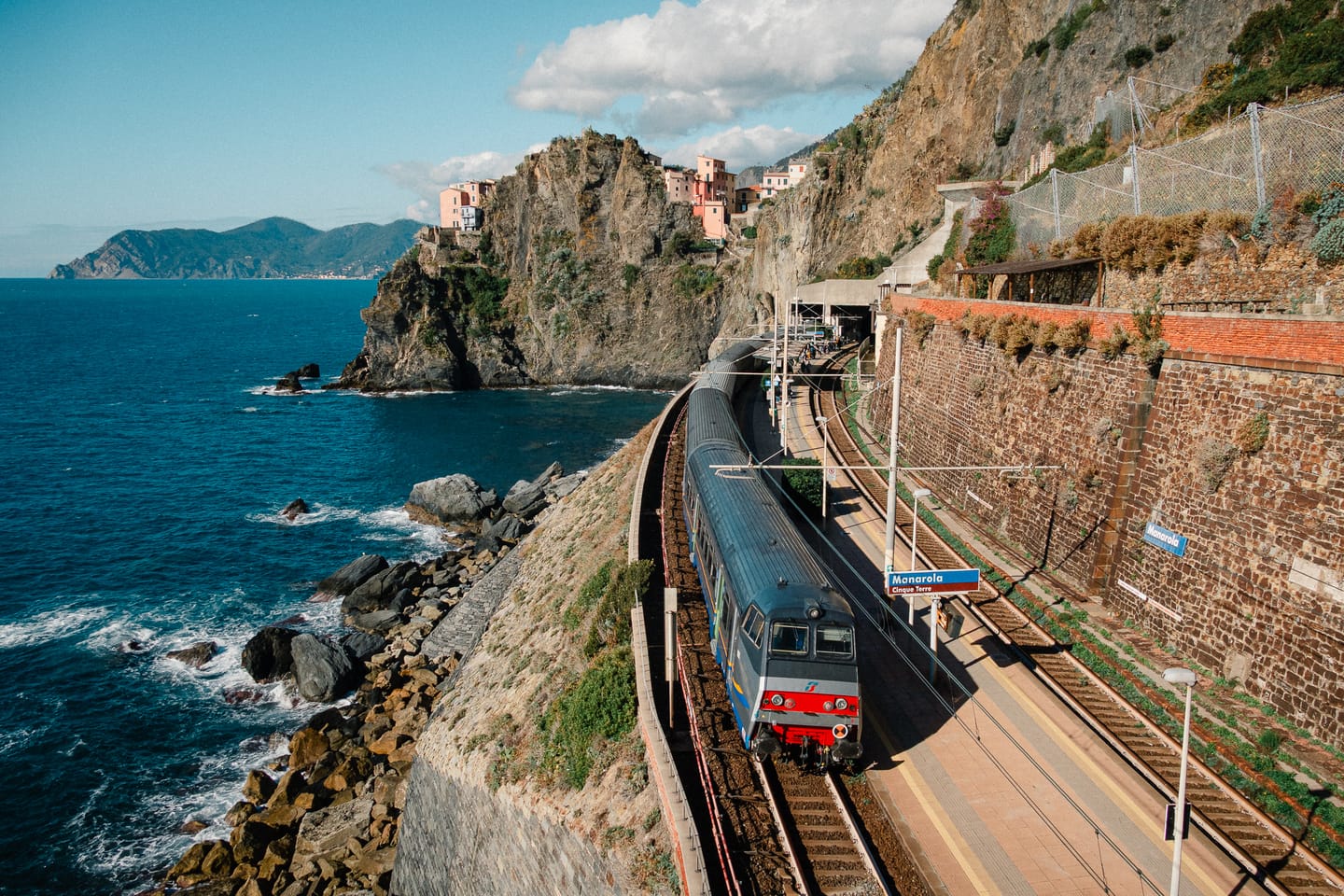
The last journeys to La Spezia already took place in September. Since then, services have been suspended due to construction work. Now, as ÖBB announced on its website, it will be permanently discontinued with the timetable change.
Sweden: Euronight to Stockholm saved
Two night trains currently connect Berlin and Stockholm via Hamburg: the private Snälltåget and the state-owned SJ Euronight. The latter launched in September 2022 with support from the Swedish government. When these subsidies expire in summer 2026, SJ announced that it would withdraw from operating the Berlin service.
For a few days, it seemed as if the convenient connection – unlike Snälltåget, the Euronight also has sleeping cars – was facing the axe after just three years. But then the private company RDC Deutschland, which provides the rolling stock and staff on behalf of SJ, announced that it would continue to operate the train independently from August 2026.
There is a downside, however: as the service is only profitable during peak demand periods, RDC Deutschland will be thinning out the timetable. The exact operating days are not yet known. However, it is said that about half of the current services could be cut in the future.
Another little piece of bad news from Sweden reaches us just before the timetable change. From April 2026, line 91/92 will reportedly no longer run to Luleå, but only as far as Umeå.
Snälltåget to Norway
Snälltåget remains pleased with its Germany connection: in the 2026 timetable, its Berlin–Hamburg–Stockholm night train will again run on over 200 days per year, with some services starting as far south as Dresden.
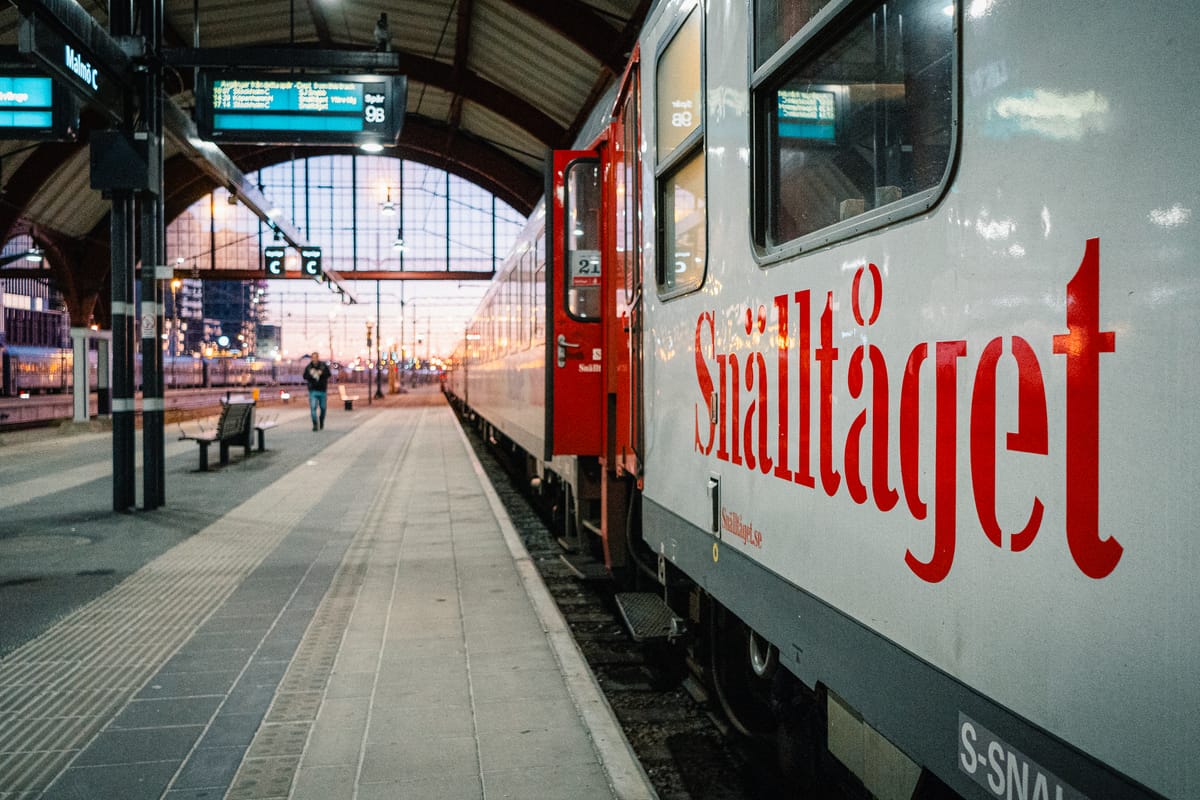
In addition, the company also wants to expand within Scandinavia and is planning its first night trains to Norway in 2026. Timetable data shows that two seasonal connections from Malmö to Oslo and Trondheim are planned. An XXL route from Malmö via Stockholm to Narvik, crossing Sweden completely from south to north, is also under discussion.
Poland / Czech Republic: New routes and more comfort
Poland has long been a great place for night train fans – and it's expanding its services further in the 2026 timetable. For example, the **"Baltic Express"** between Gdynia and Prague, introduced last year, will get a permanent sleeping car from December 2025. Previously, it was only in service seasonally. The route is also changing: the night train will now run via Bydgoszcz, Toruń, and Iława.
In addition, the Polish railway company PKP announced new connections between Germany and Poland. These include a night train between Berlin and Przemyśl on the Polish-Ukrainian border, and another connection between Berlin and Chełm via Łódź and Warsaw. There's a catch, though: both trains will initially be operated with seating cars only; sleeping or couchette cars are not planned for the time being.
Another report from PKP reached us after this post was first published: the brand-new Euronight "**Carpatia**" will connect four whole countries: from the far east of Poland (**Przemyśl**) via the Czech Republic and Austria to Germany, with stops in Vienna and Salzburg on its way to Munich. The night train is set to have seating, couchette, and sleeping cars. And it all starts on 14 December.
On 30 November, the Czech railway company ČD also unveiled a new Euronight with seating and couchette cars. This will also run from Prague to Przemyśl starting on 14 December, providing another easy travel option from Central Europe to Ukraine.
Night train to the Baltics
Rail travel to and within the Baltic States has improved considerably in recent years. With the new timetable comes another upgrade that will particularly benefit night train passengers: the Warsaw–Vilnius journey will be cut by around an hour, and a second daily service will be introduced.
This creates a convenient connection in Warsaw for the first time between the **“Chopin”** night train from Munich and Vienna (Euronight 406/407) and the onward journey to the Lithuanian capital. The night train is scheduled to arrive in Warsaw at 8:15 a.m., with the departure of the train to Vilnius planned for 9:04 a.m. The connection time of just under an hour should usually be sufficient. And if something does go wrong, there's another train to Vilnius at midday.

In the reverse direction, the midday train from Vilnius arrives in Warsaw at 18:55, connecting neatly with the Euronight to Vienna and Munich, which departs at 19:41.
Caledonian Sleeper via Birmingham
From early 2026, the Caledonian Sleeper, which links London with Scotland, will see a change to its route: some trains will run via Birmingham, connecting another major English city to the night train network.
The Highland Sleeper portions to Aberdeen, Inverness and Fort William will gain an additional stop at Birmingham International. The reason is growing demand from the region and a desire to boost tourism in the Highlands and the West Midlands. Departure times and overall journey duration will remain unchanged. The Lowland Sleeper to Glasgow and Edinburgh will continue on its traditional route.
The Caledonian Sleeper is one of only two remaining night trains in the United Kingdom. Since being renationalised by the Scottish Government in 2023, it has seen steadily growing passenger numbers.
New night train from the Benelux to Milan – with a stop in Bern
Last but not least: European Sleeper not only wants to save the night train from Paris to Berlin, but also plans to break new ground on the north-south axis. The cooperative company wants to run a train from Amsterdam and Brussels respectively, via Cologne, Bern, Brig (right in the middle of the Swiss Alps!), and Lake Maggiore to Milan from June 2026. The train is planned to run three times a week. All the known details are available here.
We've deliberately placed this news at the end because it still seems rather half-baked to us. Too many points are still unclear: How will the line closures near Domodossola be handled? What rolling stock will be used? Nevertheless, we are of course also hoping that Bern will get its first night train stop in over 10 years.
About the author: Sebastian Wilken is a passionate (night) train traveller and writes about train journeys in Europe in his Zugpost. For nightride.com, he keeps an eye on the night train market and provides you with the best tips and tricks for the most beautiful routes – including stunning pictures, all of which he takes himself.
Do you have feedback or an idea for another blog post? Write to us at info@nightride.com.